
Memory Care
Memory Care
Regency Senior Living’s memory care program provides additional assistance to residents with Alzheimer’s and other memory-related disorders. Dedicated to working closely with residents and their loved ones, our trained and experienced staff will create a care plan specific to each need and provide an environment in which residents can feel comfortable and thrive.
We intentionally seek out opportunities to get to know our residents on a personal level, making meaningful connections. We know their favorite things, their family, and use personal items or mementos of the past to decorate their entryways and living space. Our communities evoke a feeling of home, safety, cleanliness, and comfort. Consistency, kindness, and reassurance are what residents and their loved ones can expect and rely upon.
Quality
Medication reminders administered by nurses and trained caregivers keep residents healthy and reduce the risk of negative drug interactions. Chronic conditions such as diabetes or Parkinson’s are monitored and factored into personalized nutrition and exercise programs. Our safety-optimized environment provides an ideal solution for those with mobility issues.
Quality memory care results in fewer hospital visits, improved appetite, and overall higher quality of life. We treasure the opportunities we’re given to know residents and help them to not only minimize their discomfort and pain, but also to experience future moments of happiness, kindness, and laughter in our memory care community.

Activities
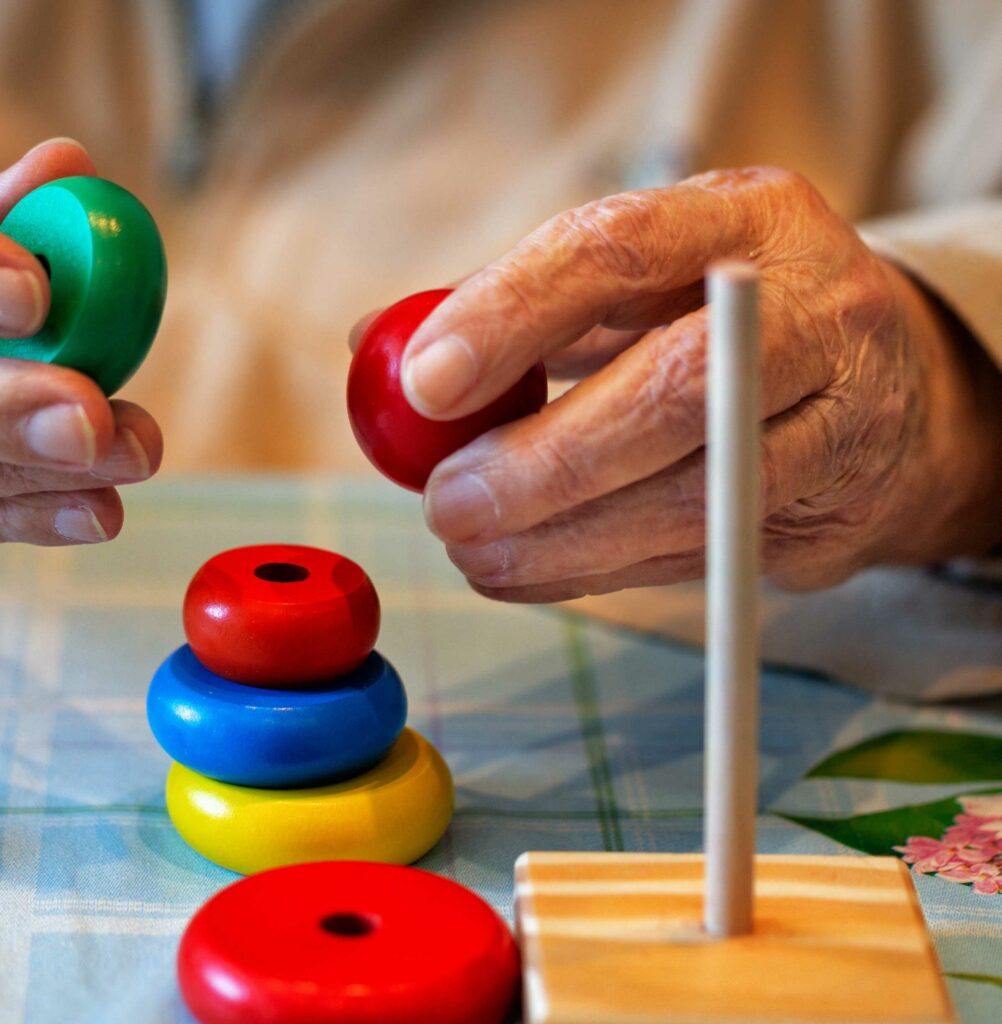
Regency Senior Living’s safe and secure environment offers a variety of day-to-day activities designed to keep seniors active and engaged. Our focus is to encourage each individual, their unique personalities, and abilities to construct a positive environment and community, rather than focusing on limitations.
Our iN2L Person-Centered Engagement Technology applies easy-to-use, stimulating software for recreation, social connection, and memory engagement. Interactive games and Google Earth-guided tours of their childhood homes create an expanded world from the comfort of their Neighborhood. iN2L fosters more interactive communication with family, friends, and caregivers. Together we can develop a personalized account for your loved one, filled with their favorite activities.
Additional Care Features:
- 24/7 licensed nursing staff
- Secure entry
- 24-hour emergency response system
- Daily events & activities
- Medication Administration
- Assistance with tasks & activities of daily living
- Transportation to events & appointments
- Secure courtyard